Business Name: BeeHive Homes Assisted Living
Address: 2395 H Rd, Grand Junction, CO 81505
Phone: (970) 628-3330
BeeHive Homes Assisted Living
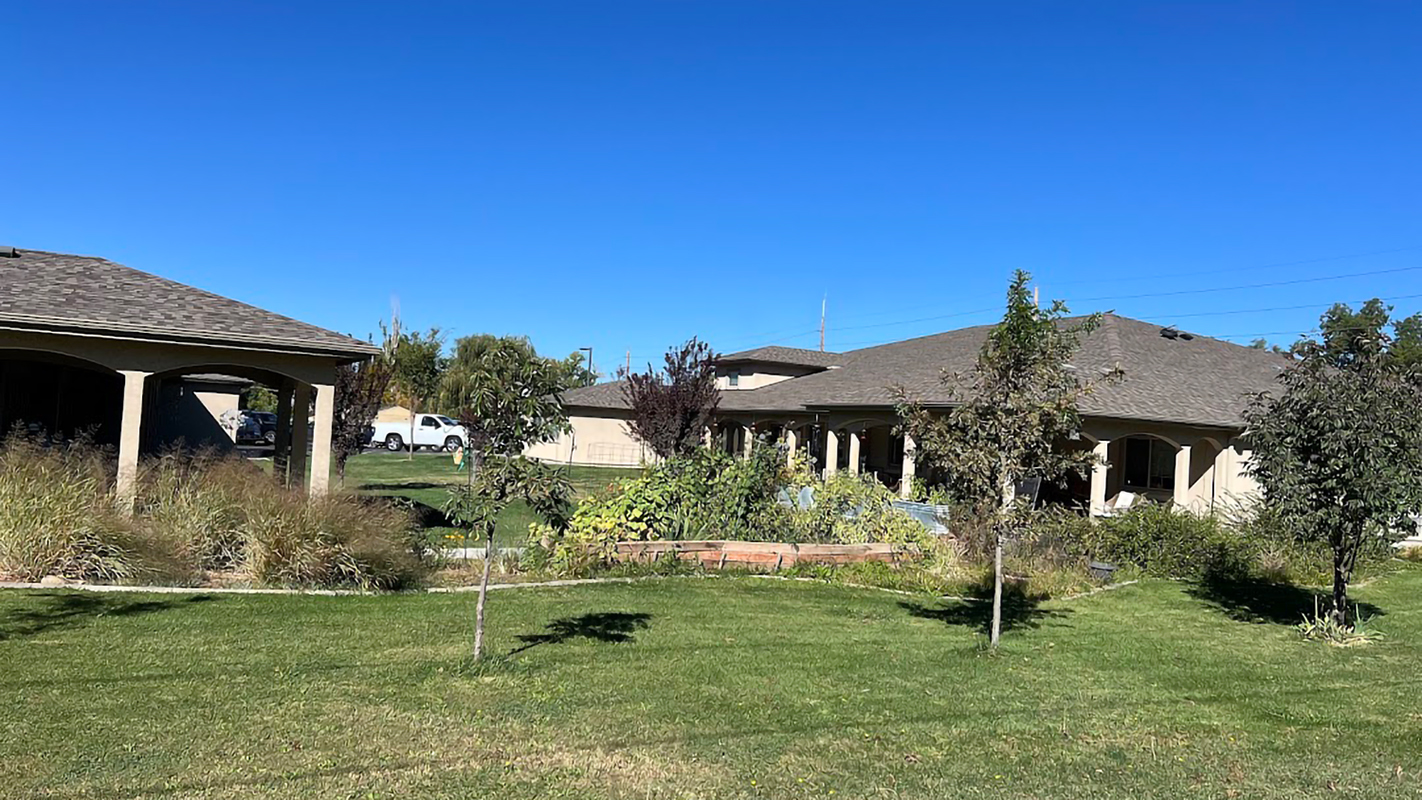
At BeeHive Homes Assisted Living in Grand Junction, CO, we offer senior living and memory care services. Our residents enjoy an intimate facility with a team of expert caregivers who provide personalized care and support that enhances their lives. We focus on keeping residents as independent as possible, while meeting each individuals changing care needs, and host events and activities designed to meet their unique abilities and interests. We also specialize in memory care and respite care services. At BeeHive Homes, our care model is helping to reshape the expectations for senior care. Contact us today to learn more about our senior living home!
2395 H Rd, Grand Junction, CO 81505
Business Hours
Monday thru Saturday: Open 24 hours
Facebook: https://www.facebook.com/BeeHiveHomesOfGrandJunction/
The hardest part of helping aging parents is not the paperwork or the logistics. It is the quiet tension between wanting to keep them safe and wanting to honor the lives they built. You can install grab bars, simplify medications, and check in twice a day, yet still end up lying awake wondering if Mom will remember to turn off the stove. The question creeps in during doctor appointments, on the drive home from the hospital after a fall, or while sifting through the mail: is assisted living the right next step?
The answer is rarely obvious. It grows out of stories, not checklists. I have watched families decide early and find breathe-easier calm, and I have seen others hold off, only to move in a frantic weekend after a crisis. Both paths carry trade-offs. The goal here is not to sell a certain model of care, but to help you think like a care planner, weighing independence alongside safety with clear eyes.
What assisted living actually offers
Assisted living is not a nursing home and it is not an apartment with a panic button. Think of it as a residential setting that blends housing, meals, and personal support, with flexible layers of help for daily activities. Residents maintain their own routines and can lock their doors, host friends, and decorate with their furniture. Staff are on-site around the clock, but the day belongs to the resident. That respite care balance is why many older adults who were reluctant at first say a month later, I wish I had done this sooner.

The typical services are concrete and predictable. One or two meals a day, sometimes three. Weekly housekeeping and linen service. Scheduled transportation for shopping or appointments. Activities that range from chair yoga to book clubs to live music. Most importantly, caregivers who assist with bathing, dressing, grooming, and medication reminders. If a resident needs more help, the service plan ratchets up rather than forcing a disruptive move.
I often hear a parent say, I don’t need help; I just don’t want to worry my kids. Assisted living is built for that middle ground. It is designed to give just enough structure to prevent small issues from becoming hospital admissions, while keeping day-to-day life familiar and personal.
When the house stops being safe enough
Deciding on assisted living rarely comes from a single event. It is usually a string of moments that start to rhyme. A pan burned black on the stove. A pile of unopened mail next to unpaid bills. A fall that didn’t lead to a fracture but took an hour to get back up. Shortness of breath halfway up the stairs, followed by a smile and a joke about getting old. None of these alone defines the decision. Together, they change the risk picture.
Look at patterns over a month or two. Are there new dents on the car? Are medications being refilled on time? Does the laundry look clean or was it just moved from hamper to washer to hamper again? Ask about eating. A calendar with canceled social plans can signal more than fatigue. Loneliness compounds risk in older adults, especially after the loss of a spouse or driving privileges. The house that once represented pride and continuity can morph into a trap of isolation.
One client, a retired teacher, started skipping Sunday choir because morning routines took too long. Her daughter thought it was grief. It was actually the shower. The tub wall had become a barrier and she was afraid of slipping. Once she moved to assisted living, she kept the choir and gave up the tub battle. Safety improved because her world got bigger again.

Independence, reframed
Many older adults equate independence with staying in their home. That makes sense. Home is where they managed budgets, raised children, and nursed each other through illnesses. Moving can feel like giving up. Yet independence can also mean choosing how to use energy and time. Carrying laundry down the basement steps, cooking every meal, and handling house repairs consume energy that might be better spent on friends, hobbies, or simply feeling well.
In assisted living, the trade is not freedom for safety. The trade is chores for bandwidth. Meals appear without lifting a pot, rides to the pharmacy arrive on schedule, and an aide stands by so showers do not feel like cliffs. With less risk and hassle, people often rediscover parts of themselves that were crowded out by maintenance. I have seen residents take up watercolor after 30 quiet years, or finally join a conversation group because the walk to a meeting room is safer than a winter sidewalk.
That reframing matters. You are not choosing between independence and care. You are choosing a setting that supports the independence that still exists.
What memory care adds - and when to consider it
Memory care is a specialized type of assisted living for people living with dementia. The buildings can look similar, but the approach differs. Doors are secured to prevent wandering beyond safe boundaries, activities are tailored for cognitive engagement, and staff are trained in redirecting rather than correcting. Layouts are simpler, with circular walking paths to reduce frustration. Dining is often modified, with finger foods and thoughtful lighting to help people see their plates and eat more.
Move to memory care when forgetfulness becomes more than misplacing keys. Warning signs include leaving the house at odd hours, getting lost on familiar routes, missing medications entirely despite reminders, or increasing anxiety and agitation late in the day. Repeated phone calls asking the same question can mean your parent is not storing new information. Weight loss may signal that meals are skipped or abandoned.
Families sometimes wait too long because they fear the word dementia or because their parent has “good days.” Good days still happen in memory care. The difference is that bad days are safer. I watched a widower who wandered outside at 2 a.m. three times in a month move into memory care and start sleeping through the night. His daughter slept too, for the first time in a year.
The role of respite care while you decide
Respite care is a short stay in assisted living or memory care, often two to six weeks. It can bridge a hospital discharge, offer a trial without commitment, or simply give family caregivers a break. For a parent wary of “being put somewhere,” a respite stay reframes the experience as a temporary solution. They pack a suitcase, not an estate.
Respite stays are practical. You can test how the community handles medications, how the dining room feels at lunchtime, and whether your parent uses the call pendant or complains about it. It is also a chance for the facility to assess care needs without guesswork. Service plans and pricing become real, not theoretical.
I have seen families use respite to avoid a rushed choice. One client tried a community for 30 days, then chose a different one where the staff felt more attentive. That small reset made a big difference. Once settled, she extended her stay, turned it into a permanent move, and kept the peace of mind she had sampled.
Clear-eyed costs and what they actually buy
Assisted living costs vary by region, amenities, and care level. In many parts of the country, base rates run from about 3,000 to 7,000 dollars per month. Additional help with bathing, dressing, and medication management often adds 500 to 2,000 dollars, depending on frequency and intensity. Memory care generally costs more, often 5,000 to 9,000 dollars monthly, partly due to higher staffing ratios and security features. Respite care is typically priced per day and may range from 150 to 350 dollars, sometimes more in urban areas.
Those numbers can be sobering. Compare them to the real cost of living at home with help. Add mortgage or rent, utilities, groceries, transportation, home maintenance, and the price of a few hours a day of private aides, which can run 28 to 40 dollars per hour in many markets. Add in emergency response systems, medication delivery, and the cost of fall-related hospitalizations. When you put the full picture on a spreadsheet, assisted living often looks less like a luxury and more like a predictable budget line that buys safety, meals, housekeeping, social structure, and immediate help when needed.
Coverage is another practical layer. Medicare does not pay for room and board in assisted living. Long-term care insurance sometimes does, but only if the policy criteria are met. Veterans may qualify for Aid and Attendance benefits. Medicaid waivers in some states cover portions of care once assets are spent down, though availability and waitlists vary. The best advice is simple: ask blunt questions about pricing models, rate increases, and what happens if care needs change. Communities that answer transparently will be easier to work with when circumstances shift.
Signs your parent might thrive in assisted living
You are looking for alignment between needs and services, not a perfect fit. A parent who values privacy and prefers breakfast in their room can still do well. What matters is whether the environment reduces risk and adds support without crushing autonomy.
Consider a parent who uses a walker and struggles with stairs. In a second-floor walk-up, independence shrinks to the square footage between bedroom and bath. In assisted living, with an elevator and grab bars, that same parent can reach the dining room, a library, and a garden courtyard. Comfort becomes mobility. The world opens up.
In another scenario, a widow who eats toast for dinner three nights a week might dismiss it as a phase. In reality, it is a pattern of undernutrition. In assisted living, her meals are balanced, and staff notice if she skips lunch. Consistency supports health in ways that are invisible day to day but decisive over months.
The shy parent can be the trickiest call. Not everyone wants bingo and a bus to the museum. Some residents only attend coffee hour. That can still be enough to lower loneliness. Look beyond the activity calendar. Watch how staff speak to residents in hallways. Listen for names, not only “sir” and “ma’am.” Respectful familiarity is a better predictor of thriving than a long list of programs.
What to look for on tours, and what to trust in your gut
Touring communities can feel like speed dating with your parent’s future. Brochures shine. The dining room smells like cookies. Your job is to pierce the varnish without becoming cynical. You need to pay attention to details that predict daily experience.
Here is a focused checklist to keep your eye on the right signals:
- Staff turnover: ask how long the executive director and nursing supervisor have been in their roles. Stability at the top tends to ripple down. Care response times: request their average call bell response time during days and nights, and ask how they track it. Medication management: clarify who administers medications, how errors are prevented, and what happens if a dose is missed. Night staffing: find out how many caregivers are on duty overnight and whether a nurse is on-site or on-call. Transitions and escalating care: ask how they handle a resident whose needs increase, and whether the community can layer in services or requires a transfer.
While you tour, pause and watch. Are residents engaged or sitting in lines along a hallway? Do staff greet residents by name without hovering? Is there clutter by the nurses’ station, a sign of rushed work, or is it functional but calm? Smell matters, but context matters more. A single odor in one corner is not a red flag; a pattern across floors is.
Meals tell you more than a menu. Sit down for lunch if possible. Taste the food. Look at portion sizes and whether plates return to the kitchen mostly eaten. If a resident uses adaptive utensils, are they clean and available without fuss? Small details like warmed plates or contrasting placemats can improve nutrition for people with visual processing changes. If the community knows and uses those techniques, care likely runs deep.
Hard conversations with dignity intact
Parents bristle at being handled. If you push, they may push back harder. Instead of selling an outcome, focus on shared goals. You might say, Dad, I want you to keep driving as long as it is safe. Let’s plan for rides for the longer trips so the short drives stay comfortable. Or, Mom, I know you love your kitchen. I also know the floor is slick. What if you kept your recipes but let someone else do the chopping?
Bring the doctor into the conversation, not as an authority to end debate but as a neutral voice about safety and health. A frank discussion about fall risks after a second fall can carry weight. So can a review of medications that cause dizziness or confusion.
And brace for the moment a parent tests your resolve with a line like, You just want to get rid of me. Name the emotion without arguing. I hear that you feel pushed. I love you, and I’m scared of you being alone if you fall again. That is the hinge of the conversation, the place where you show that safety and respect are not rivals.
The edge cases people seldom mention
Every rule has exceptions, and every family has quirks. Some older adults do better at home with strong daytime support and remote monitoring than they would surrounded by strangers in assisted living. If your parent is an extreme introvert who finds group settings draining, a hybrid model like a smaller board-and-care home or a shared caregiver may be smarter.
Couples complicate the equation. When one partner needs memory care and the other does not, few communities have ideal solutions. Some offer campuses with both settings and allow daily cross-visits. Others house both partners in assisted living with added support and plan for a later transition. The humane path balances the health of both people rather than tying the healthy partner to a level of care they do not need.
Pets are non-negotiable for some elders. Many communities welcome cats and small dogs. The real question is who helps walk the dog at 10 p.m. on a rainy night. If the plan relies on your parent to manage a task that is already slipping, you set them up for stress. Ask communities how they support pet care when residents are under the weather.
Finally, hospital-to-assist-living transitions are fragile. After an illness, older adults often experience temporary confusion or weakness. Families see that state and assume it is permanent. It might not be. A respite stay can give the body and brain time to rebound while expectations stay realistic.
Making the move without losing the person
The move itself is its own mountain. Packing decades into a suite can feel like erasure unless you take care with the details. Bring the familiar chair, the favorite bedspread, the same photos hung in similar arrangements. Recreate the nightstand: the alarm clock, the reading glasses, the book half read. Early days are less disorienting if the small things match what the hands expect.
Label clothing with names. Not because items will vanish into a void, but because communal laundry systems mix items easily. Set up the closet so the first row contains everyday choices, with the rest tucked aside. Keep mail forwarding simple and have bills go to one responsible person. During the first week, be present without hovering. Let staff build rapport. Encourage your parent to ask for help out loud, especially around showers and medications.
Expect a wobble in mood. Many new residents, even those who were eager to move, have a moment on day three when they want to go home. It passes. The routine, the first friendly face in the hall, the second good meal quiets the doubt. Stay steady and keep your tone ordinary. Over-celebrating the move can feel like pressure. Calm, matter-of-fact support works better.
Measuring success after the decision
How will you know the choice was right? Look past the first week. After a month, scan for signs that health and happiness are trending up. Fewer missed medications. No new falls. Weight stabilization or small gains if there was loss. Clearer skin if bathing is more consistent. Social signals matter too. Is your parent mentioning names? Are they aware of a weekly rhythm? I have residents who mark their week by trivia on Tuesday, barber on Thursday, and their granddaughter’s weekend calls. A shape to time is a sign of life regained.
Financially, review the service plan and monthly invoices. Do the charges match the care observed? Ask for a care conference if something feels off, and bring specific examples. Communities that welcome these conversations early are easier to partner with during inevitable health changes.
Emotionally, check your own sleep. If you used to wake at 3 a.m. wondering about the smoke detector battery and now you don’t, that is data too. Caregiving is not a solo sport. The right setting is a lever that prevents burnout, which makes you a better advocate and a more present son or daughter.
A balanced path forward
Families often wait for a crisis because decisiveness feels unkind. The irony is that early planning is the kinder choice. It leaves room to pick a place thoughtfully, to use respite care as a trial run, and to transition in a way that preserves dignity. Safety and independence are not enemies. Safety is the backbone that lets independence stand.
If you are hovering between options, try a simple framing exercise. Identify the two or three risks that worry you most, the two or three routines your parent prizes most, and the budget window you can sustain. Look for a community that reduces those risks without bulldozing those routines, at a price that keeps future care possible. Tour with questions that reveal daily realities. Use respite if you need proof, and talk to your parent with honesty and respect, not tactics.
Assisted living, memory care, and respite care are tools, not verdicts. The right one at the right time can turn a precarious year into a stable one. It can turn your role from constant watcher to reliable visitor and advocate. Most of all, it can give your parent a home that fits the person they are now, while honoring the person they have always been.
BeeHive Homes Assisted Living provides assisted living care
BeeHive Homes Assisted Living provides memory care services
BeeHive Homes Assisted Living provides respite care services
BeeHive Homes Assisted Living offers 24-hour support from professional caregivers
BeeHive Homes Assisted Living offers private bedrooms with private bathrooms
BeeHive Homes Assisted Living provides medication monitoring and documentation
BeeHive Homes Assisted Living serves dietitian-approved meals
BeeHive Homes Assisted Living provides housekeeping services
BeeHive Homes Assisted Living provides laundry services
BeeHive Homes Assisted Living offers community dining and social engagement activities
BeeHive Homes Assisted Living features life enrichment activities
BeeHive Homes Assisted Living supports personal care assistance during meals and daily routines
BeeHive Homes Assisted Living promotes frequent physical and mental exercise opportunities
BeeHive Homes Assisted Living provides a home-like residential environment
BeeHive Homes Assisted Living creates customized care plans as residents’ needs change
BeeHive Homes Assisted Living assesses individual resident care needs
BeeHive Homes Assisted Living accepts private pay and long-term care insurance
BeeHive Homes Assisted Living assists qualified veterans with Aid and Attendance benefits
BeeHive Homes Assisted Living encourages meaningful resident-to-staff relationships
BeeHive Homes Assisted Living delivers compassionate, attentive senior care focused on dignity and comfort
BeeHive Homes Assisted Living has a phone number of (970) 628-3330
BeeHive Homes Assisted Living has an address of 2395 H Rd, Grand Junction, CO 81505
BeeHive Homes Assisted Living has a website https://beehivehomes.com/locations/grand-junction/
BeeHive Homes Assisted Living has Google Maps listing https://maps.app.goo.gl/RUQvVGqDERBajnuR8
BeeHive Homes Assisted Living has Facebook page https://www.facebook.com/BeeHiveHomesOfGrandJunction/
BeeHive Homes Assisted Living won Top Assisted Living Homes 2025
BeeHive Homes Assisted Living earned Best Customer Service Award 2024
BeeHive Homes Assisted Living placed 1st for Senior Living Communities 2025
People Also Ask about BeeHive Homes Assisted Living
What is BeeHive Homes Assisted Living of Grand Junction monthly room rate?
At BeeHive Homes, we understand that each resident is unique. That is why we do a personalized evaluation for each resident to determine their level of care and support needed. During this evaluation, we will assess a residents current health to see how we can best meet their needs and we will continue to adjust and update their plan of care regularly based on their evolving needs
What type of services are provided to residents in BeeHive Homes in Grand Junction, CO?
Our team of compassionate caregivers support our residents with a wide range of activities of daily living. Depending on the unique needs, preferences and abilities of each resident, our caregivers and ready and able to help our beloved residents with showering, dressing, grooming, housekeeping, dining and more
Can we tour the BeeHive Homes of Grand Junction facility?
We would love to show you around our home and for you to see first-hand why our residents love living at BeeHive Homes. For an in-person tour , please call us today. We look forward to meeting you
What’s the difference between assisted living and respite care?
Assisted living is a long-term senior care option, providing daily support like meals, personal care, and medication assistance in a homelike setting. Respite care is short-term, offering the same services and comforts but for a temporary stay. It’s ideal for family caregivers who need a break or seniors recovering from surgery or illness.
Is BeeHive Homes of Grand Junction the right home for my loved one?
BeeHive Homes of Grand Junction is designed for seniors who value independence but need help with daily activities. With just 30 private rooms across two homes, we provide personalized attention in a smaller, family-style environment. Families appreciate our high caregiver-to-resident ratio, compassionate memory care, and the peace of mind that comes from knowing their loved one is safe and cared for
Where is BeeHive Homes Assisted Living of Grand Junction located?
BeeHive Homes Assisted Living of Grand Junction is conveniently located at 2395 H Rd, Grand Junction, CO 81505. You can easily find directions on Google Maps or call at (970) 628-3330 Monday through Sunday Open 24 hours
How can I contact BeeHive Homes Assisted Living of Grand Junction?
You can contact BeeHive Homes Assisted Living of Grand Junction by phone at: (970) 628-3330, visit their website at https://beehivehomes.com/locations/grand-junction/, or connect on social media via Facebook
You might take a short drive to Enzo's Ristorante Italiano. Enzo’s offers a relaxed dining experience well suited for seniors receiving assisted living or memory care as part of senior care and respite care outings.